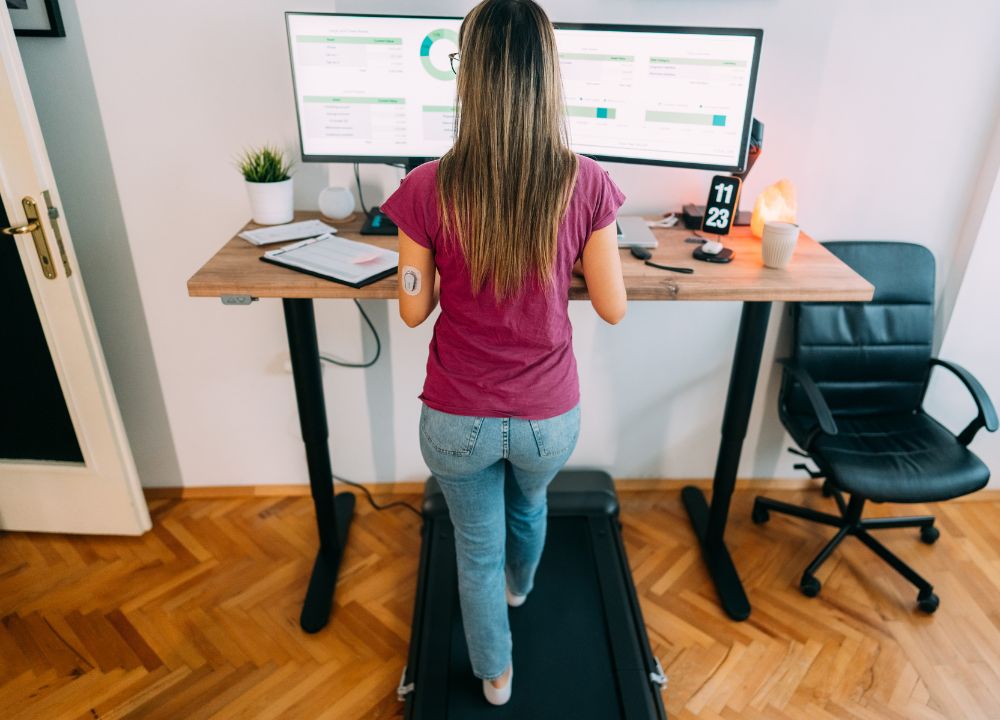
The first time I saw someone using a treadmill under their desk, I’ll be honest — I laughed.
It looked ridiculous. Like something out of a Silicon Valley parody.
But now? I get it.
Because after enough days of back-to-back Zoom calls, hunched posture, and legs so still they felt like part of the chair, I realized something:
The hardest part of modern fitness isn’t working out. It’s not sitting still.
That’s where walking pads come in — and why they’ve gone from niche gimmick to full-blown productivity and wellness upgrade.
The Rise of the “Under-Desk Walk”
Call it whatever you want — walking pad, under-desk treadmill, “silent shuffle” machine — the premise is simple:
You walk… while you work.
Emails, meetings, planning sessions, brainstorming calls — all done while moving at a pace so slow you barely notice… until your Apple Watch tells you you’ve crossed 8,000 steps before lunch.
And you didn’t leave your house.
You didn’t change clothes.
You didn’t even lose time.
What you did lose?
The ache in your lower back. The mid-afternoon crash. The guilt of another sedentary day.
What the Science Says (And Why It Works)
We know prolonged sitting is associated with all kinds of long-term risks: heart disease, metabolic dysfunction, insulin resistance, even reduced cognitive performance.
But most people don’t have time to overhaul their day with 90-minute workouts and mid-day mobility sessions.
Walking pads aren’t about training harder — they’re about breaking the long bouts of stillness that modern life sneaks in.
A study published in the Journal of Physical Activity & Health found that low-intensity walking during work hours improved mood, reduced fatigue, and enhanced creative thinking.
Even just two minutes of movement every 30 minutes (according to NIH-backed research) can counteract the negative effects of being sedentary.
And with walking pads, those two minutes stretch into two hours — without disrupting your workflow.
It’s Not a Replacement for Training. It’s a Lifeline for Movement.
Let’s be clear: a walking pad won’t replace strength training.
But that’s not the point.
The point is what it gives you:
- A nudge toward 8–10k steps without needing a separate block of time
- A way to stay mentally sharper through long meetings
- An easier path to better blood sugar regulation, digestion, and energy
And for many remote workers, especially those with kids, this is what consistency looks like. Not heroic workouts. Just movement — spread out, sustained, and doable.
How to Work It In (Even Without Buying One Yet)
If a walking pad isn’t in the budget (yet), here’s what to try:
- Take walking meetings on your phone with earbuds
- Set a 25-minute timer to stand up and pace between blocks of deep work
- Stack low-focus tasks (like voice memos or inbox sorting) with laps around the house
- Try a “10-10-10” day: three 10-minute walks spaced out across morning, midday, and evening
The point isn’t gear. The point is momentum.
Final Thought
You don’t have to leave your house to reclaim your health.
You just have to stop sitting still and waiting for the “perfect time.”
Walking pads are just one solution. But the real shift?
It’s recognizing that movement doesn’t need to be monumental — just intentional.
A few steps at a time. A little bit every hour.
Strong doesn’t always start in the gym.
Sometimes, it starts with answering emails… on your feet.