
Hormones aren’t just about reproduction.
Estrogen and testosterone — typically labeled “female” and “male” hormones — are central regulators of your mood, energy, drive, and body composition.
And when they fluctuate or drop (as they often do with stress, aging, overtraining, or under-eating), you don’t just feel “off.”
You feel like you’ve lost your edge.
Let’s unpack how these two power players really work — regardless of gender — and how to support them without chasing gimmicks or shortcuts.
Estrogen: Not Just for Periods
Estrogen gets a bad rap. It’s not just about PMS, menopause, or bloating.
In fact, both men and women need it, and when it’s in balance, it’s protective and performance-enhancing.
When Estrogen Is Working Well:
- Improves insulin sensitivity and blood sugar regulation
- Enhances mood and cognitive performance
- Supports bone health and cardiovascular protection
- Helps maintain metabolic rate and body composition
Women experience a monthly rise and fall of estrogen (and a longer decline across perimenopause), but men also rely on a steady — albeit lower — baseline.
Too little estrogen? You may feel anxious, inflamed, bloated, irritable, or sluggish.
Fun fact: Men with low testosterone often have low estrogen, too — because estrogen is made from testosterone via an enzyme called aromatase.
Testosterone: Not Just About Muscle
Testosterone isn’t just about libido or gym gains.
It’s also a motivator molecule — key for drive, mood, recovery, and energy.
When Testosterone Is Optimized:
- You recover faster from workouts and stress
- Maintain or build lean muscle mass more easily
- Experience stronger mental clarity and confidence
- Have a higher tolerance to physical and emotional stress
- Enjoy better metabolic flexibility and fat oxidation
And yet — modern life is a testosterone killer:
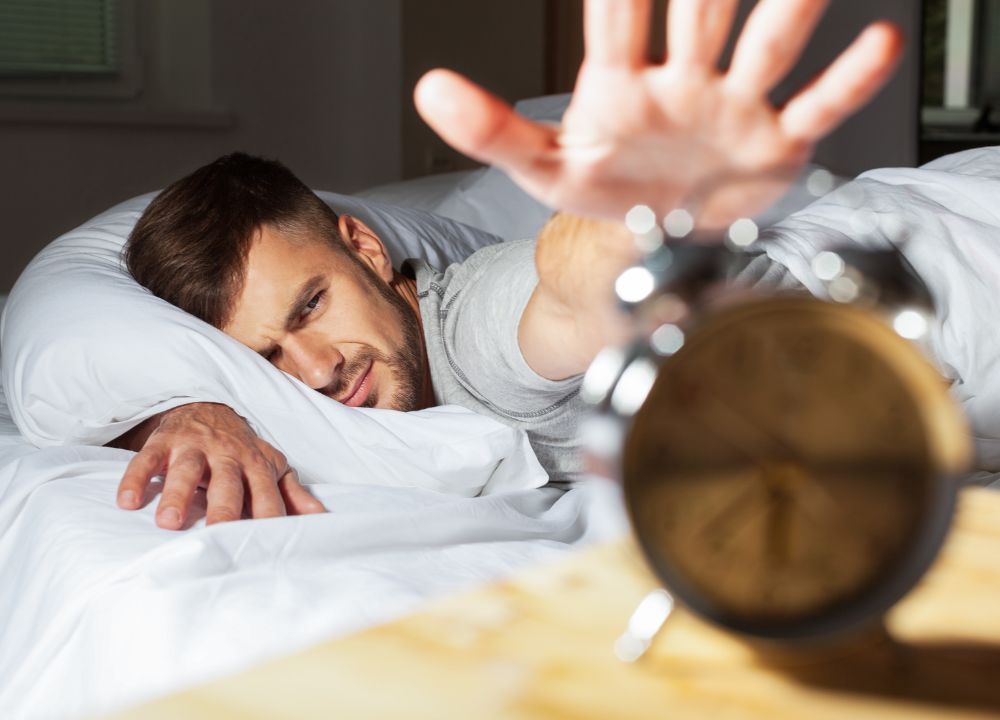
- Sleep deprivation reduces T levels by up to 15% after just one week
- Chronic stress (high cortisol) directly inhibits testosterone production
- Ultra-processed diets and environmental toxins (like BPA) impair hormone signaling
- Low strength training and excess cardio can reduce levels in both men and women
Hormonal Changes Aren’t Just About Age
Yes, testosterone dips with age.
Yes, estrogen can shift drastically during menopause or due to birth control.
But many people experience hormonal dysregulation earlier than expected — not because of age, but because of chronic stress, under-recovery, and lifestyle mismatch.
Especially in high-achieving adults juggling careers, kids, and intense workouts on minimal sleep — the hormonal system starts throwing red flags.
You don’t always need a blood test to notice it.
You’ll feel it: in your motivation, energy, performance, and mood.
So How Do You Support Your Hormones Naturally?
Here’s the good news:
You can optimize estrogen and testosterone without diving into hormone therapy (unless clinically needed).
1. Strength Train Consistently
- One of the most effective ways to stimulate testosterone (in all genders)
- Improves estrogen metabolism and supports bone health
2. Eat Enough — Especially Fats and Carbs
- Extreme low-fat or low-carb diets often suppress sex hormones
- Fats (especially omega-3s) are crucial for hormone production
- Carbs help manage cortisol and support testosterone recovery
3. Sleep Like It’s Your Job
- Aim for 7–9 hours of quality sleep
- Deep sleep is when both testosterone and growth hormone peak
4. Reduce Chronic Stressors
- You won’t eliminate stress, but you can regulate it
- Daily breathwork, walking, sunlight, or stillness = nervous system support = hormonal stability
5. Support Detox Pathways (Estrogen Specific)
- Cruciferous vegetables (broccoli, cabbage, arugula) help detox estrogen properly
- Limit alcohol — it impairs estrogen metabolism and impacts testosterone levels
What You Can Do Today
You don’t need a hormone panel to take action.
Instead of obsessing over "high" or "low," start asking:
Am I giving my body the inputs it needs to feel strong, clear, and energized?
That’s the real hormonal test — and most of us already know the answer.